
Notes from Underground: Symbiosis of Brand and Celebrity
Celebrity partnerships are a tightrope walk and most brands underestimate how long the balancing pole needs to be. Like Philippe Petit, you are managing gravity (brand truth) and momentum (cultural heat). Too much of either and it’s a long fall between the towers.

Any brand - consumer, tech, media, finance - that partners with a celebrity is effectively borrowing cultural equity. The question is whether you’re compounding it or just renting it.
Luxury and fame have an intriguing symbiotic relationship. Both are built on exclusivity and prestige, yet also rely on popularity and public intrigue. This delicate balance means not everything or everyone can truly attain luxury or fame status, allowing these realms to entice, captivate, and monetize public imagination.
When I say “luxury” in this context, I don’t just mean “expensive.” Price is just one (often lazy) proxy for signaling and belonging. These attributes go beyond handbags and translate to companies across sectors; tech is no exception. Think about In-N-Out. It’s cheap, fast food but culturally, eating there signals you “get it.” It’s not about affording it.

Or consider niche tech products, underground music scenes, or even certain coworking communities. They create an in-group.
That’s the real definition of modern luxury.

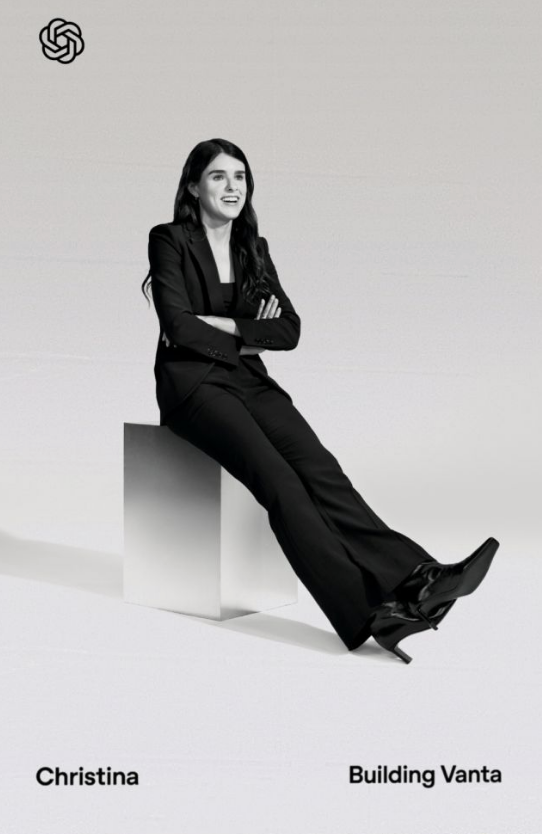


Nobody gets this more than OpenAI’s billboard campaign. They are targeting founders and builders with association to some of the fastest growing companies and founders behind them. The ads showcase the “in group”. Don’t you want to be part of it?
Brands leverage celebrity to gain cultural cachet and relevance, while celebrities utilize partnerships to enhance their aura of exclusivity.
Take Beyoncé and Jay-Z becoming the faces of Tiffany & Co. post-LVMH acquisition. Tiffany tapped into the couple's star power and aspirational lifestyle to reinvigorate the storied jeweler. Meanwhile the Carters gained affiliation with an iconic luxury house (note: their ownership stake incentivizes their ongoing participation).
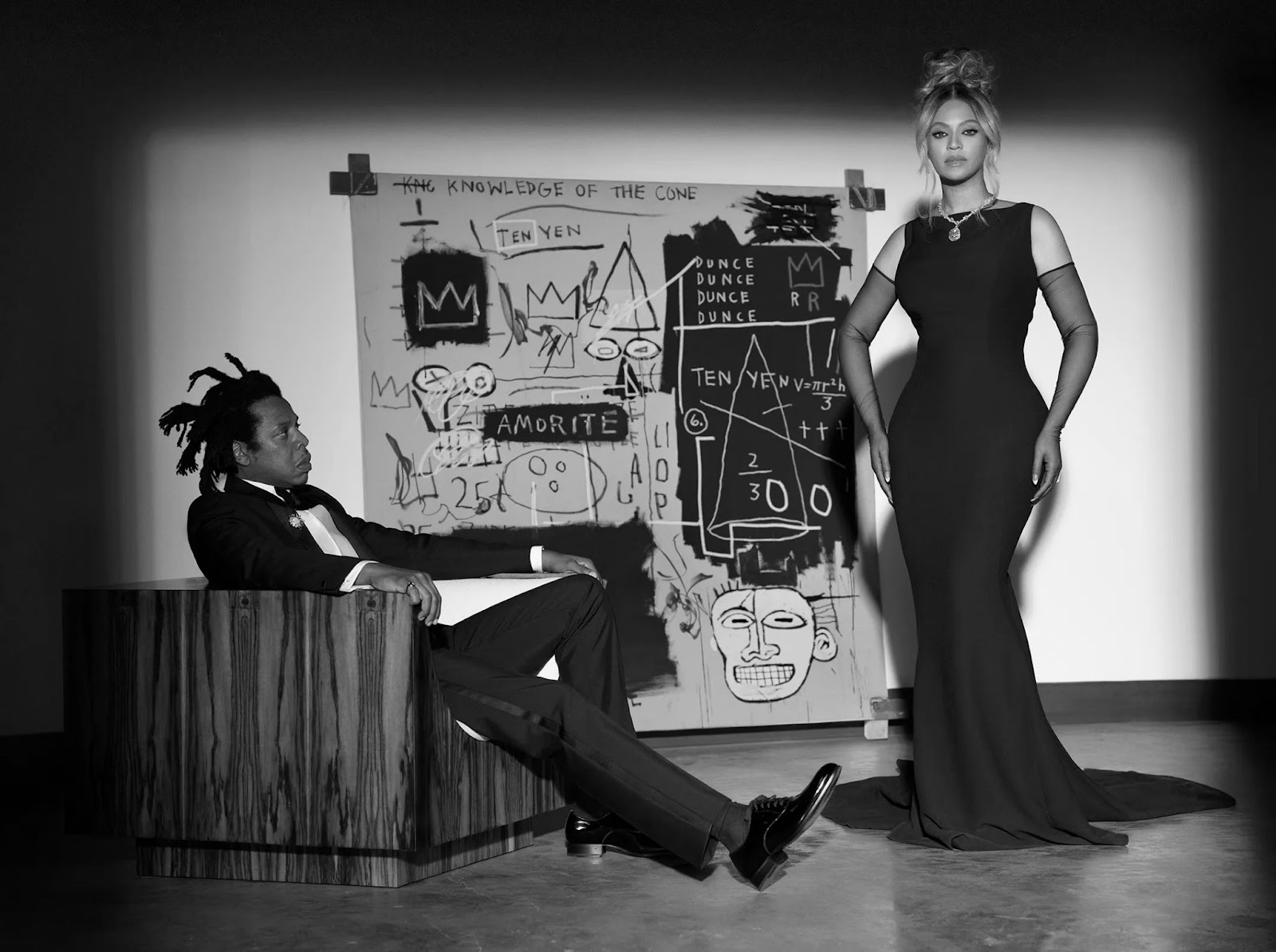
Beyoncé and Jay-Z x Tiffany Photographer: Mason Poole
With The Row, the Olsen twins transformed their fame as child star ingenues into credibility in the luxury space. While the brand stands on its own design merits, the founders' celebrity origins helped garner initial attention. The Row demonstrates how famous tastemakers can parlay their status to achieve the exclusivity of the luxury realm.
Today, the twins' carefully crafted personal brand gives The Row an elevated aura. See their masterclass on influencer marketing last year.
Pharrel Williams’ first collection as Louis Vuitton’s creative director launches in 2024. Pharrell brings his creative vision and star power to the heritage house. Louis Vuitton gains relevance through affiliation with a contemporary pop culture figure.
Pharrell obtains further credibility in the luxury world by taking a leadership role in a storied fashion institution. Symbiosis.

These examples carefully leverage celebrity affinity while maintaining quality credibility so both realms perpetuate their “elite yet popular” appeal. The public allure lies in feeling tangentially connected to the exclusivity projected by both.
The symbiotic relationship is, however, asymmetric. While fame can elevate brand, brand does not necessarily confer fame. Worse, the risk of messing up this balanced equilibrium can tarnish a brand and alienate modern day consumers.
Kering's acquisition of CAA exemplifies the allure of fame for luxury houses. Bringing CAA into the Kering provides internal celebrity access for luxury brands like Gucci, Saint Laurent and Bottega Veneta.
However, the reverse is not necessarily true. A B-list celebrity as the face of Tiffany, instead of Jay Z and Beyonce, weakens luxury brand value. Conversely, having Beyonce as the face of a less iconic luxury brand feels inorganic and weakens both her celebrity and the brand’s authenticity.
This inauthenticity is the fastest way to lose a consumer trust. Imagine seeing Billie Eilish in a Shake Shack ad? Troye Sivan endorsing Evian?
Hugh Jackman’s Lipton Tea or Paris Hilton’s infamous Carl’s Jr. ad just don’t work anymore.

Over-reliance on celebrity could also signal absence of true “luxury credentials”. The most iconic heritage houses have inherent value, independent of fame. Purchasing decisions motivated solely by celebrity affiliation rather than quality reveal society's emphasis on recognition over substance. Consider whether celebrity associations risk diluting your mission (or perception of it).
The lure of fame may boost short-term sales but needs to be judiciously balanced with inherent product value.